
Product Description
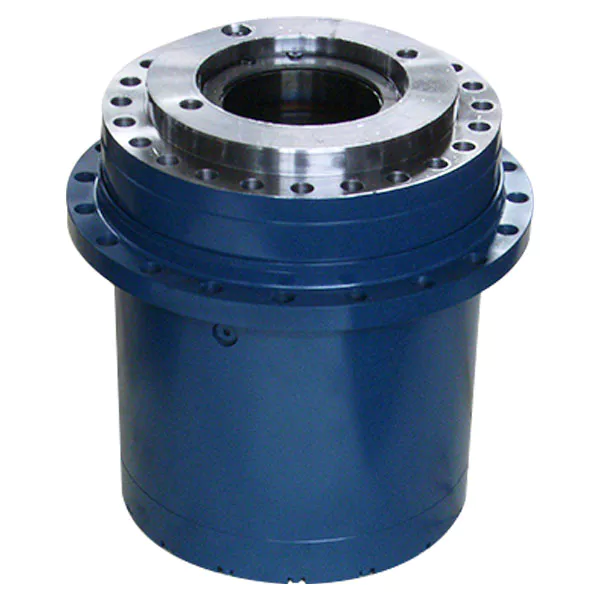
Product Title: Forklift hydraulic gearbox forklift automatic transmission
Product Model: Forklift hydraulic gearbox H93D2-50001-X
| Item | Description |
| Product Name | Forklift hydraulic gearbox |
| P/N | BSX-A29B2-55711G-XYX H93D2-50001-X |
| Applied Model | For forklift with 490 Mechanical Control Torque converter not included with differential |
| Net Weight (kg) | 202 |
| Gross Weight (kg) | 212 |
| Qty per Carton | 1 |
| Carton Size (cm) | 100*57*65 |
Forklift Hydraulic Gearbox Assembly
Forklift hydraulic gearbox includes an oil pump assembly, an electromagnetic directional valve, a micro-motion valve, a safety valve, a torque converter, an overflow valve, a check valve, and a buffer device. The shifting method is power shifting with micro-motion valve and buffer valve. Forklift hydraulic gearbox is easy to operate with convenient and stable to start. Forklift hydraulic gearbox greatly reduces the labor intensity of forklift operator.
Forklift Hydraulic Gearbox Maintenance
Forklift transmission oil, also known as the “blood” of forklift hydraulic transmission gearbox, is not only lubricating oil like engine oil, but also transmission oil, cooling oil and friction oil.
Only regular oil changes and filtering devices can clean up the dirt inside the forklift hydraulic gearbox. It needs regular maintenance on the oil and filter replacement.Please visit Leading forklift leadingforklift for more forklift maintenance parts.
| Material: | Aluminum Alloy |
|---|---|
| Surface Treatment: | Polishing |
| Customized: | Non-Customized |
| Standard: | Standard |
| Feature: | Cost-Effective OEM Forklift Parts |
| Advantage: | High Quality Forklift Parts |
| Samples: |
US$ 809/Piece
1 Piece(Min.Order) | |
|---|
| Customization: |
Available
| Customized Request |
|---|
Steps to Replace a Faulty Gearbox in an Automobile
Replacing a faulty gearbox in an automobile is a complex task that requires proper tools, skills, and safety precautions. Here are the general steps involved in the process:
- Prepare the Vehicle: Park the vehicle on a flat surface and engage the parking brake. Disconnect the battery to ensure safety during the procedure.
- Drain Fluids: Drain the transmission fluid from the old gearbox into a suitable container.
- Disconnect Components: Remove any components obstructing access to the gearbox, such as the driveshaft, exhaust system, and linkage.
- Suspend the Engine: If necessary, use an engine hoist or support to suspend the engine safely.
- Support the Gearbox: Use a transmission jack to support the weight of the gearbox.
- Remove Gearbox: Detach the gearbox from the engine by removing bolts and disconnecting the clutch or torque converter.
- Install New Gearbox: Position the new gearbox onto the engine and secure it in place with bolts.
- Reconnect Components: Reattach the driveshaft, exhaust system, and linkage that were disconnected earlier.
- Refill Fluids: Fill the new gearbox with the appropriate transmission fluid according to the manufacturer’s specifications.
- Lower Engine: Carefully lower the engine back into its original position if it was suspended.
- Test and Adjust: Start the vehicle and test the new gearbox for proper operation. Check for any leaks, unusual noises, or gear shifting issues.
- Final Check: Double-check all connections and ensure that all components are properly secured.
- Dispose of Old Fluid: Dispose of the old transmission fluid safely and responsibly.
- Dispose of Old Gearbox: Properly dispose of the old gearbox according to local regulations.
It’s important to note that gearbox replacement can vary significantly depending on the vehicle’s make and model. It’s recommended to consult the vehicle’s service manual or seek professional assistance if you’re not experienced in automotive repair.


editor by CX 2023-09-10