
Product Description
| MAIN PARTICULARS | |
| Material | Aluminum,Steel,Stainless steel |
| Standard | ASTM, ASME, DIN, JIS, ISO, BS, API, EN |
| Certificate | ISO9001, CE, TUV, SGS or as your requirement to do test by the third party |
| Tolerance | Up to +/- 0.002mm |
| Dimension | As per customers’ request |
| Processing | Forging +Machining +Surface treatment |
| Surface | Anodize, Plating, Brushing, Polishing, Blackened, Powder coating, Sandblasting, Laser engraving, ED- Coating, Chromate Plating, Zinc Plating, Dacromat Coating, etc. |
| Marking | as per clients’ requirements |
| Inspection | material, dimension, heat treatment, hardness, NDT, surface |
| Quality | ISO9001, PPAP control production |
| Lead time | 5-10days for sample, consult with customer for mass production |
| Delivery | Express for sample, CZPT shipping/air for mass production |
| Our Capabilities | CNC machining, CNC center machining, drilling, milling, turning, grinding, tapping, die casting, casting, forging, stamping |
| Engineering& manufacturing services | R&D process, tooling and gauging design, product design Integrated CAD/CAM system, test and measuring |
| Packing | Eco-friendly pp bag / EPE Foam /Carton boxes or wooden boxes As customer’s specific requirements |
| Others | Recyclable, in line with environmental requirements and standards, and reliable |
Q:Are you a factory or trading company?
A: We are factory.
Q:What do I need for offering a quote?
A: Detailed drawings (PDF/STEP/IGS/DWG…) with material, quantity and surface treatment information.
Q:How about the MOQ?
A:MOQ depends on your need ,besides, we welcome trial order before mass-production.
Q:Can I get a quote without drawings?
A:Yes, we appreciate to receive your samples, pictures or drafts with detailed dimensions for accurate quotation.
Q:How long can I have the sample
A:Depends on your products and request, it usually takes 7-20days.
Q:Will my drawings be divulged if you benefit?
A: No, we pay much attention to protect our customers’ privacy of drawings, signing NDA is also accepted if need.
Q:Is it possible to know how is my product going on without visiting our company?
A:We will offer a detailed products schedule and send weekly reports with pictures and videos
Q: How do you control the quality?
A:
Material inspection–Check the material surface and roughly dimension.
Production first inspection–To ensure the critical dimension in mass production.
Sampling inspection–Check the quality before sending to the warehouse.
Final inspection–100% inspected before shipment.
Q: What will you do if we receive defective parts?
A: Please kindly send us the pictures, our engineers will find the solutions and remake them for you asap.
| Processing Object: | Metal |
|---|---|
| Molding Style: | Forging |
| Molding Technics: | Pressure Casting |
| Application: | Agricultural Machinery Parts |
| Material: | Steel |
| Heat Treatment: | Quenching |
| Customization: |
Available
| Customized Request |
|---|
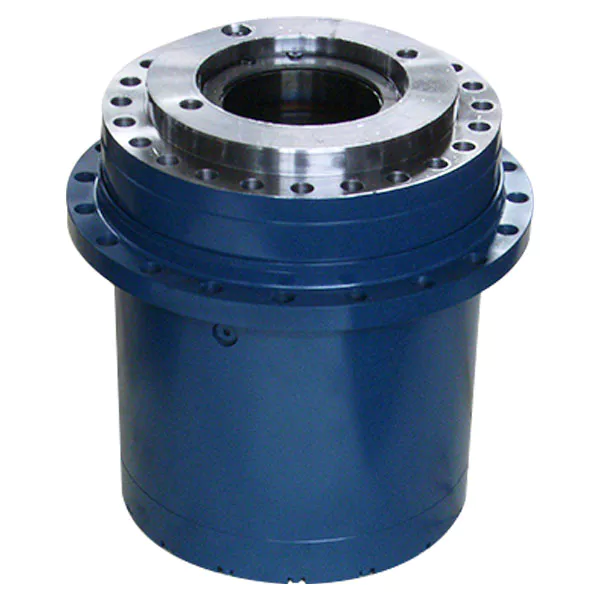
Steps to Replace a Faulty Gearbox in an Automobile
Replacing a faulty gearbox in an automobile is a complex task that requires proper tools, skills, and safety precautions. Here are the general steps involved in the process:
- Prepare the Vehicle: Park the vehicle on a flat surface and engage the parking brake. Disconnect the battery to ensure safety during the procedure.
- Drain Fluids: Drain the transmission fluid from the old gearbox into a suitable container.
- Disconnect Components: Remove any components obstructing access to the gearbox, such as the driveshaft, exhaust system, and linkage.
- Suspend the Engine: If necessary, use an engine hoist or support to suspend the engine safely.
- Support the Gearbox: Use a transmission jack to support the weight of the gearbox.
- Remove Gearbox: Detach the gearbox from the engine by removing bolts and disconnecting the clutch or torque converter.
- Install New Gearbox: Position the new gearbox onto the engine and secure it in place with bolts.
- Reconnect Components: Reattach the driveshaft, exhaust system, and linkage that were disconnected earlier.
- Refill Fluids: Fill the new gearbox with the appropriate transmission fluid according to the manufacturer’s specifications.
- Lower Engine: Carefully lower the engine back into its original position if it was suspended.
- Test and Adjust: Start the vehicle and test the new gearbox for proper operation. Check for any leaks, unusual noises, or gear shifting issues.
- Final Check: Double-check all connections and ensure that all components are properly secured.
- Dispose of Old Fluid: Dispose of the old transmission fluid safely and responsibly.
- Dispose of Old Gearbox: Properly dispose of the old gearbox according to local regulations.
It’s important to note that gearbox replacement can vary significantly depending on the vehicle’s make and model. It’s recommended to consult the vehicle’s service manual or seek professional assistance if you’re not experienced in automotive repair.


editor by CX 2023-08-26